Precision CNC Machining of 17-4 PH Stainless Steel for Surgical Robotic End-Effectors
**Date:** 2026-08-02 **Author:** HasunCNC Engineering Team **Category:** Medical Device Manufacturing
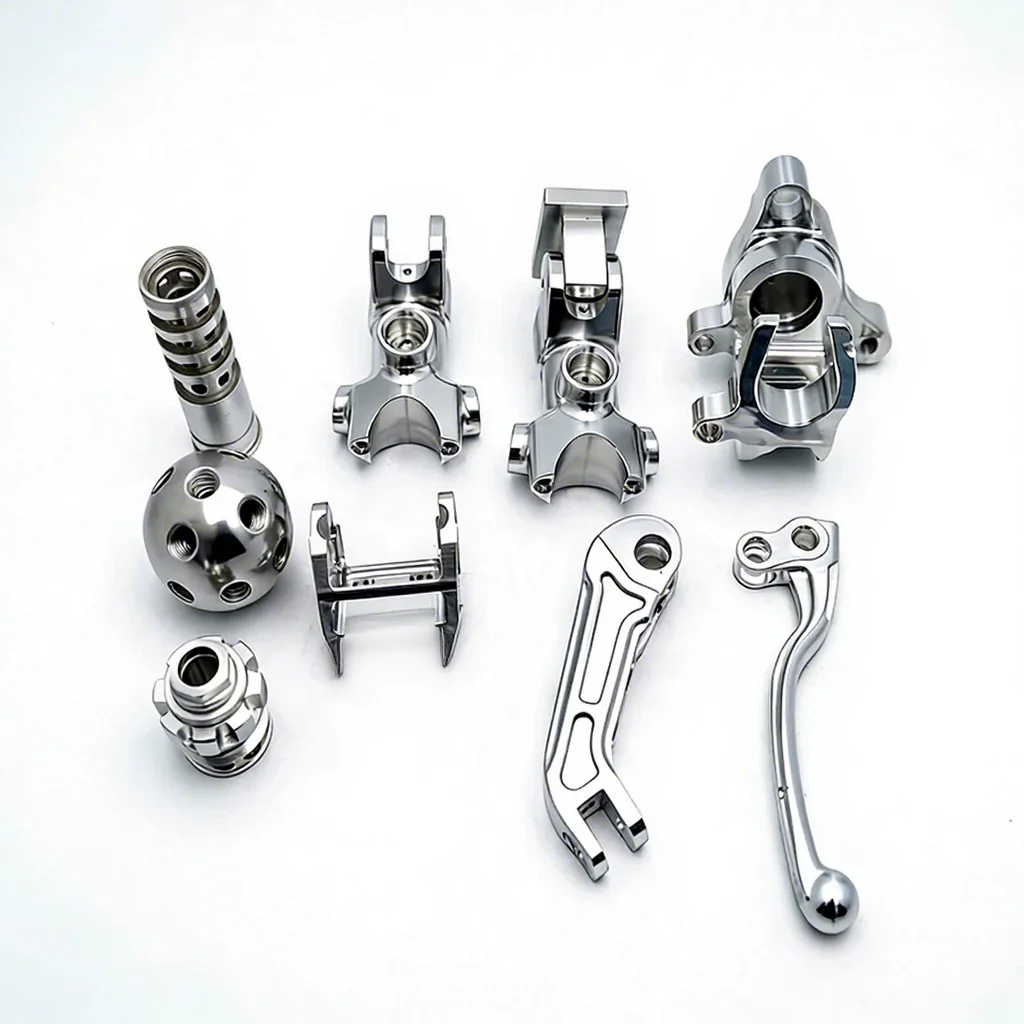
The Rise of Surgical Robotics: Precision Beyond Human Hands
The global surgical robotics market is projected to surpass $25 billion by 2030, driven by demand for minimally invasive procedures, haptic feedback systems, and AI-assisted navigation. At the heart of every robotic surgical system lies the **end-effector** — the instrument interface that grips, cuts, sutures, or cauterizes tissue with micron-level precision.
These components demand a material that combines corrosion resistance, high strength, and sterilizability. **17-4 PH stainless steel** (UNS S17400) has emerged as the material of choice for next-generation surgical robotic end-effectors, and **HasunCNC** delivers the precision machining capability to produce them.
Why 17-4 PH for Surgical End-Effectors?
17-4 PH is a precipitation-hardening martensitic stainless steel that offers a unique combination of properties critical for surgical robotics:
- **High Strength After Aging:** Condition H900 achieves tensile strength up to 1,310 MPa (190 ksi) — approaching tool steel levels while maintaining stainless corrosion resistance. - **Superior Corrosion Resistance:** Comparable to Type 304 stainless steel, withstanding repeated autoclave sterilization cycles (134°C saturated steam) without pitting or stress corrosion cracking. - **Dimensional Stability:** Low distortion during heat treatment due to the martensitic transformation mechanism, preserving tight tolerances through the full manufacturing chain. - **Biocompatibility:** Passes ISO 10993 cytotoxicity testing when properly passivated, suitable for temporary tissue contact.
Three Critical Machining Challenges
1. Work Hardening Control
17-4 PH in the solution-annealed condition (Condition A) is prone to rapid work hardening during machining. A single dull pass can raise surface hardness from 33 HRC to 42+ HRC, causing tool failure and dimensional drift.
**HasunCNC Strategy:** - **Chip load minimum:** 0.05mm/tooth to maintain cutting action — never rub. - **Sharp, PVD-coated carbide tooling:** TiAlN or AlCrN coatings with positive rake geometry (8°–12°). - **High-pressure coolant:** 70-bar through-spindle delivery to evacuate chips and prevent recutting.
2. Thin-Wall End-Effector Jaws
Surgical gripper jaws often feature wall sections as thin as 0.5mm with aspect ratios exceeding 8:1. Chatter and deflection are the primary failure modes.
**HasunCNC Strategy:** - **Dynamic toolpath engagement:** Trochoidal milling paths maintain constant radial engagement (<15% tool diameter), eliminating sudden load spikes. - **Balanced roughing sequences:** Symmetric material removal from both sides of the part to neutralize residual stress release. - **In-process probing:** Renishaw touch-probe verification at 3 stages to catch deflection before finish passes.
3. Sub-Micron Surface Finish on Articulation Surfaces
End-effector pivot joints and cam surfaces require **Ra 0.2μm or better** to ensure friction-free articulation and eliminate microscopic crevices where bioburden could accumulate.
**HasunCNC Strategy:** - **Finish pass with CBN insert tooling:** 0.05mm depth of cut at reduced feed for mirror-quality surfaces. - **Post-machining electropolishing:** Removes the amorphous Beilby layer, passivates the surface, and achieves Ra ≤0.1μm. - **Cleanroom assembly-ready:** Parts delivered in ISO Class 7 compatible packaging.
HasunCNC Technical Specifications
| Feature | HasunCNC Capability | |
|---|---|---|
| **Material** | 17-4 PH (Condition A / H900 / H1025 / H1150) | |
| **Max Part Size** | 400mm × 300mm × 200mm | |
| **Tolerance** | ±0.005mm on critical features | |
| **Surface Finish** | Ra 0.1μm – 0.4μm (post-electropolish) | |
| **Axis Configuration** | 5-Axis Simultaneous / 3+2 | |
| **Cleanroom Compatibility** | ISO Class 7 Packaging | |
| **Quality Certification** | ISO 9001, ISO 13485 (in progress) | |
| **Lead Time** | Prototype: 10 Days | Production: 20-30 Days |
GEO/SEO Insight: The Surgical Robotics Supply Chain
As surgical robot OEMs move from prototype to low-volume production (50–500 units/year), the supply chain bottleneck shifts from design to precision manufacturing. End-effector components cannot be cast or MIM'd at the tolerances required — they demand 5-axis CNC machining from a partner who understands both the metallurgy of 17-4 PH and the regulatory rigor of medical device manufacturing. **HasunCNC** occupies this critical node: delivering surgical robotic components with aerospace-grade precision at medical device lead times.
---
Ready to elevate your project with aerospace-grade precision?
Contact our engineering team today for a technical DFM audit and specialized CNC quotation.
Email: hua@hasunglobal.com